Woody Allen once said, “Do you want to make God laugh? Tell him your plans!” Psalm 2 tells us of the rage of nations excited about a regime change on Israel’s throne. Various people groups (inside and outside Israel) wanted to test the boundaries of what the new king might allow or to see if he was strong enough to maintain his rule. The plotting and scheming of these kings of the earth was no different than the tenants in Jesus’ parable of the vineyard, who–upon seeing the son of the vineyard owner coming to collect rent for his father–assume the old man is dead and so proclaim, “Here’s the heir! Let’s kill him and the inheritance is ours!” Even today, we see riots and autonomous zones in some U.S. cities while others rage on social media about their various conspiracies and opinions about pandemic protocols.
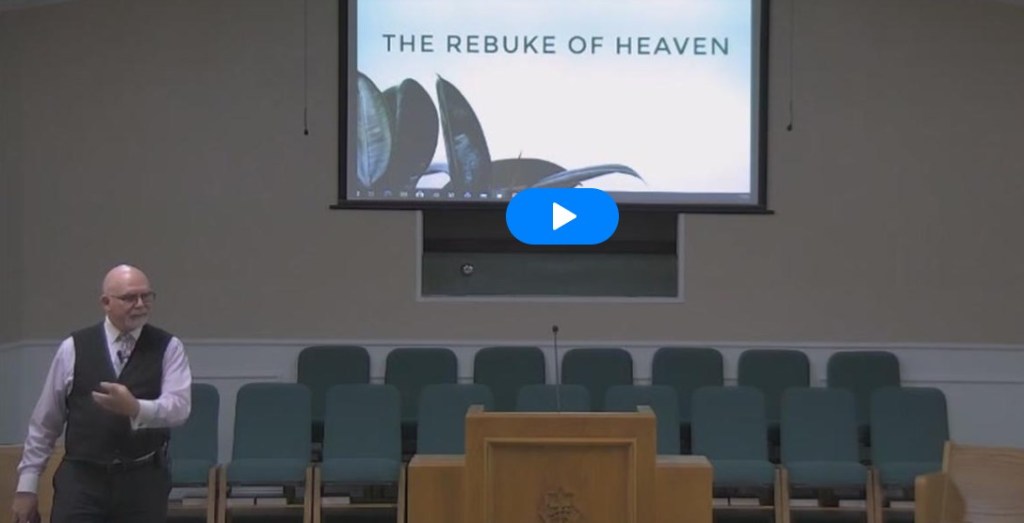
Psalm 2 tells us these kings of the earth are a joke to the one on heaven’s throne. He scoffs at their plans (the way the wicked scoffed at the righteous in Psalm 1). Along with the rebuke of heaven, we are told of the appointment of heaven’s true earthly king on Zion’s hill. Since Psalm 2 was a coronation psalm, the new king was whoever was being newly installed into that office. Too often, we are like the raging kings, thinking we know what is best or even that “God is on our side” or that we know his plans.
Instead, we find the reign of the Son, the king who (according to 2 Samuel 7:13-14) is proclaimed to be Son of God. The book of Psalms was compiled after the collapse of the monarchy, so for the post-exilic Jews, the Son of Psalm 2 was the coming Messianic king who would bring the Kingdom of God. This is why it is so significant the voice at Jesus’ baptism proclaimed, “This is my Son . . .” the Son of God–the Messiah. It is also part of the reason Matthew concludes with this Son sending his disciples “to the nations” (not to punish them for their raging, but to make disciples of them and to teach them the ways of the true king. Rome (where Caesar was considered Son of God) eventually fell to this revolution not through violence or war, but through love, sacrifice, forgiveness, and mercy. Some Christians have been shocked by rioters spray-painting “crucify again” on a statue of Jesus. But they say this not because of the true Son as much as because of the Christians who have not modeled such love and sacrifice but instead have become enamored by power politics and hate speech on social media.
Finally, we find that this Messiah is a refuge for the broken. The kings are warned to be wise and to serve the Lord with fear and trembling. Jesus said as he neared Jerusalem that he longed to shelter the people under his wings, but they would not let him . . . and so he wept for Jerusalem. He knew their love of politics and supporting the meanest guy who “fought” for their side would result in Jerusalem’s destruction.
While the psalm is primarily about the kings of Israel and ultimately the Messiah, Jesus in the beatitudes said, “Blessed are the peacemakers, for they shall be called “Sons of God.” Paul likewise told us in the letter to the Romans that we are adopted as “Sons” and are “co-heirs” with Christ. So we find that the disciples actually pray Psalm 2 in Acts 4:25-37. Yet they do not ask that they can break their enemies with rods of iron or smash them like pots. Instead, they pray for boldness of words and that God would stretch out his hand with miracles and healings. We are called to overthrow our enemies through loving proclamation and bold proclamation of Christ’s rule and the principles of the Kingdom. We should no longer sell out to political philosophies or idolize a particular political leader or demonize those who disagree with us. Instead, we should “kiss the son” and serve him with fear and trembling.
Subscribe to receive email notifications of new posts
Psalm 2 “The Wisdom of Fear and Trembling”

 Orthopistis